Job Market
The Green Salary Premium: Careers Driving the Energy Transition
8 min read · August 31, 2026
Discover which sustainability and renewable energy roles command the highest salaries as global capital flows into decarbonization and clean tech.
The Rise of the Green Economy
Over the past decade, the global economy has shifted monumentally toward decarbonization. What began as voluntary corporate initiatives and small incentives has transformed into a multi-trillion-dollar industrial transition. As nations and corporations race to meet net-zero emissions targets, massive capital is flooding into renewable energy, battery storage, grid modernization, and sustainability reporting. This influx of capital has created an unprecedented demand for skilled labor, shifting career conversations from basic job availability to competitive compensation.
For job seekers and mid-career professionals, this transition raises a critical question: does working in the green economy actually pay well? Historically, environmental careers were viewed as passion projects that came with a 'purpose discount'—accepting lower pay for socially meaningful work. Today, that dynamic has changed. A clear green salary premium has emerged in several key sectors, where specialized technical skills and regulatory expertise command top-tier compensation that rivals traditional industrial benchmarks.
Defining the Green Job Market
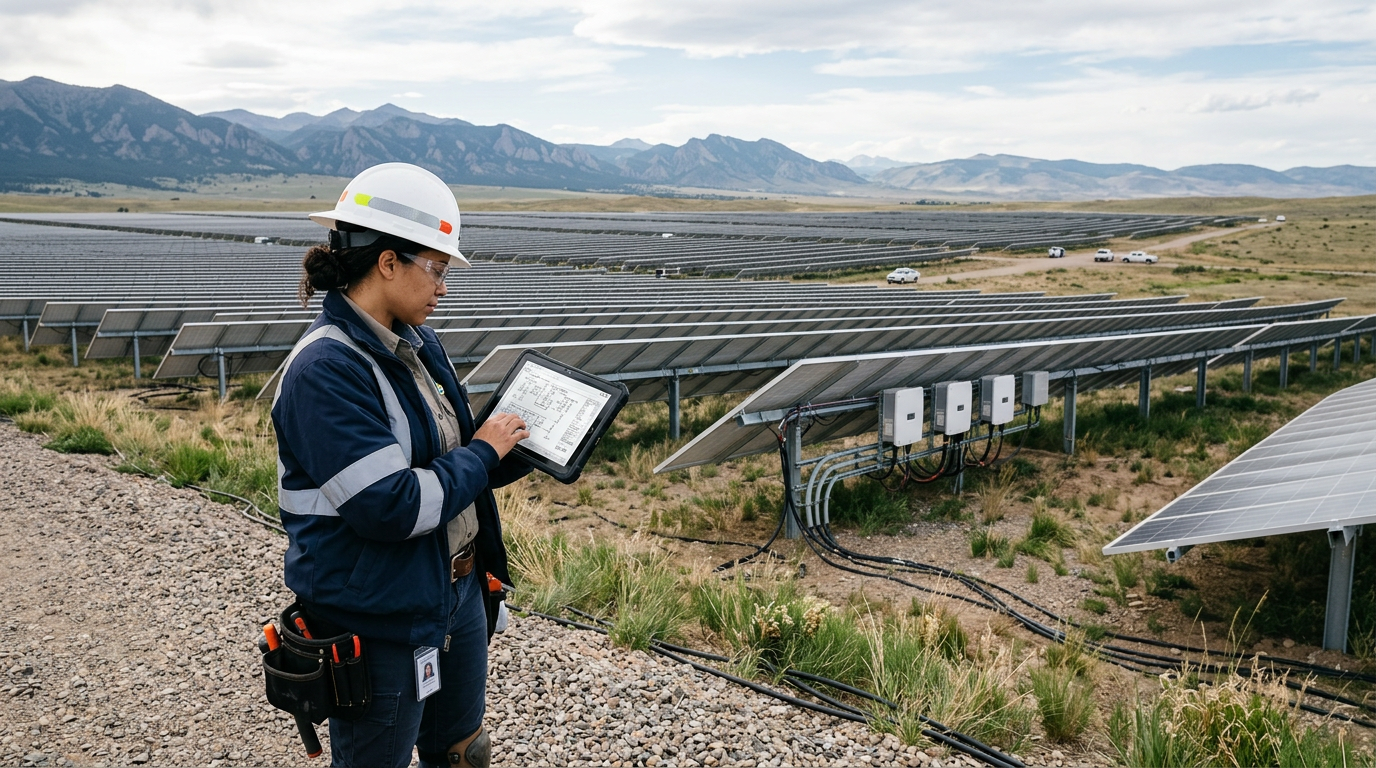
To understand the financial landscape of green careers, we must first define the job market. It is broadly split into direct infrastructure roles and corporate advisory roles. Direct infrastructure positions involve the physical planning, engineering, construction, and maintenance of clean energy systems, including utility-scale solar farms, offshore wind installations, and industrial battery storage. These roles require deep technical, mechanical, or electrical expertise and are highly hands-on.
On the other side of the spectrum are corporate sustainability and compliance roles. These focus on carbon accounting, regulatory reporting, supply chain auditing, and sustainable finance. Workers in this sector typically have backgrounds in business, law, data science, or corporate governance. Rather than building the physical infrastructure, they create the organizational frameworks that keep companies compliant with environmental laws. Both halves offer distinct career paths and compensation structures.
The Energy Transition Salary Equation
For decades, the energy sector was dominated by oil and gas companies, which paid some of the highest salaries globally. This traditional energy premium was driven by high physical risks, cyclical volatility, and hazardous offshore environments. Historically, renewable energy companies struggled to match these wages because the industry relied heavily on fluctuating government subsidies. However, as wind and solar technology reached grid parity—becoming cheaper to build than fossil fuels in most regions—the financial dynamics shifted.
Today, the pay gap between fossil fuels and clean energy is closing rapidly. Large utility companies and private equity-backed energy developers are offering aggressive compensation packages to secure top talent. While entry-level solar installation roles can still align with general construction wages, senior technical and managerial roles in renewables have achieved parity with traditional oil and gas positions. Experienced professionals are finding they can transition to clean energy without accepting a reduction in base salary.
High-Paying Engineering and Technical Roles
Within the technical branch, power systems and grid interconnection engineers are currently among the most highly sought-after professionals. Modernizing the electrical grid to handle intermittent renewable power is a massive engineering hurdle. Engineers who understand grid capacity, high-voltage transmission, and substation design typically command base salaries ranging from $110,000 to over $160,000, depending on experience. Because the pool of qualified electrical engineers is small, sign-on bonuses and competitive benefits are standard.
Similarly, battery storage specialists and chemical engineers are seeing their market value skyrocket. As grid-scale batteries become vital for storing wind and solar power, companies compete fiercely for talent that can optimize battery performance. Mid-career battery engineers typically earn roughly $120,000 to $150,000 annually. Project managers who oversee the actual construction of these massive solar or battery installations also earn premiums, with salaries frequently clearing $130,000 plus performance-based completion bonuses.
Corporate Sustainability and ESG Compensation
On the corporate side, the demand for green talent is driven by a massive wave of new regulations. In Europe, the Corporate Sustainability Reporting Directive mandates detailed environmental tracking, while global financial markets increasingly tie capital availability to environmental, social, and governance (ESG) performance. Consequently, tracking greenhouse gas emissions and auditing supply chains is no longer a public relations task; it is a critical regulatory compliance requirement. This has elevated corporate sustainability to a core operational function.
Because of this regulatory pressure, salaries for ESG analysts, carbon auditors, and sustainable supply chain managers have risen sharply. Junior analysts typically start with salaries around $70,000 to $90,000, while experienced ESG managers can easily secure between $120,000 and $160,000. At the executive level, Chief Sustainability Officers command compensation packages that frequently exceed $250,000 in base salary, supplemented by performance bonuses and equity incentives as companies align sustainability with profitability.
Regional Pay Differences and Energy Hubs
Like any high-paying industry, compensation in the green economy is heavily influenced by geography. In the United States, states with aggressive clean energy targets or abundant natural resources dominate the job market. Texas, despite its deep oil roots, has become a leading producer of wind and solar power, driving high demand for grid engineers in the Houston and Austin areas. California offers some of the highest nominal salaries for green tech, though living costs offset some of that advantage.
Internationally, northern and western Europe represent the highest-paying regions for offshore wind and renewable energy policy. Countries bordering the North Sea, such as the UK, Denmark, and Germany, are global hubs for marine engineering and wind farm development, offering lucrative packages for maritime project directors. Australia has also emerged as a high-paying market, driven by massive utility-scale solar projects in its sun-drenched regional territories, where remote allowances are often added to base salaries.
How to Transition and Capture the Premium
One of the most encouraging aspects of the green job market is that professionals do not necessarily need to return to university for a new degree to participate. Instead, the most successful transitions involve applying existing, transferable skills to green projects. For example, civil engineers who previously designed commercial buildings can easily pivot to designing solar array foundations. Software developers with experience in database management can transition to writing the smart-grid software that balances energy supply and demand.
To maximize your earning potential during such a pivot, earning targeted micro-credentials can be highly effective. For corporate roles, credentials like the LEED AP or specialized training in greenhouse gas protocol auditing validate your expertise to employers. For technical roles, short courses in grid modeling tools can bridge the gap. Highlighting how your traditional background solves a specific, pressing green bottleneck is the most effective strategy for negotiating a premium salary.
Future-Proofing and Automation Resistance
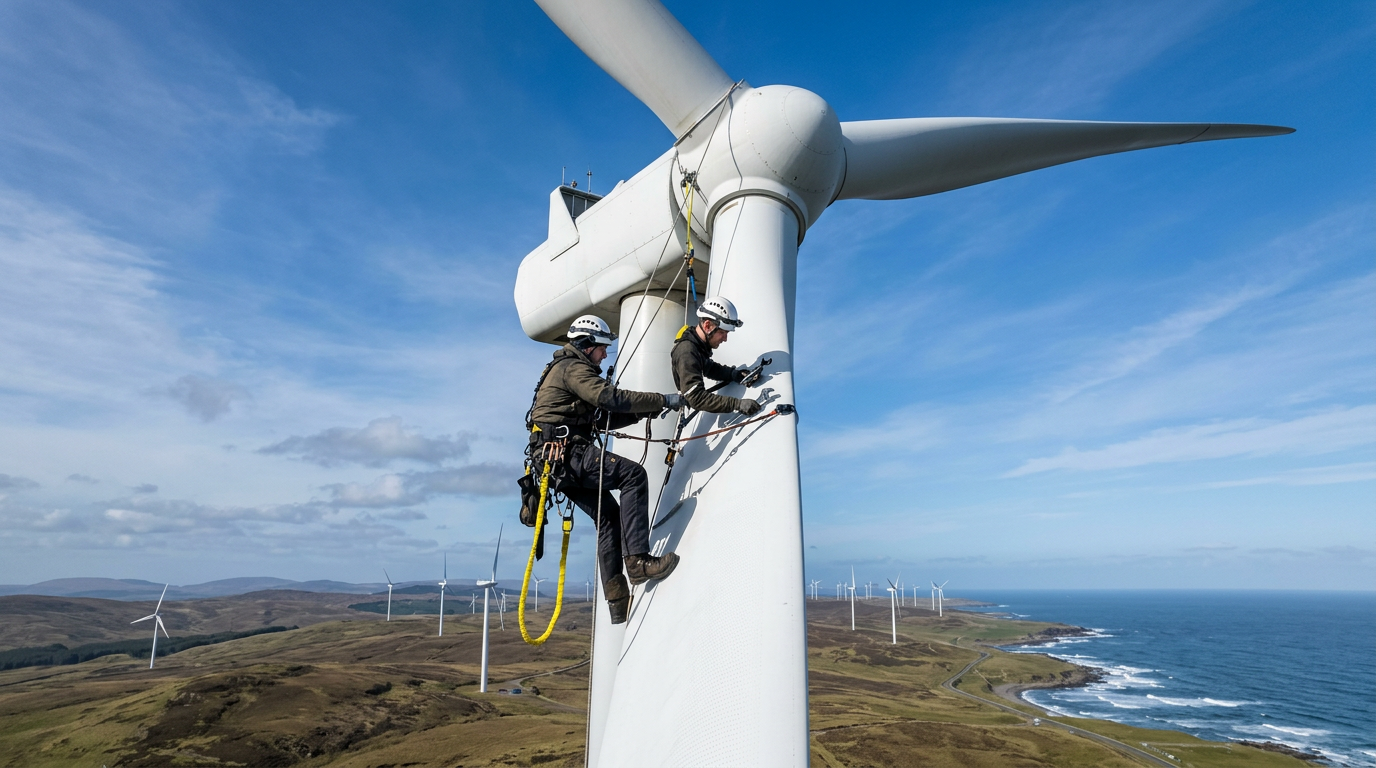
Beyond immediate financial rewards, careers in the green energy transition offer long-term job security that is increasingly rare in other sectors. As artificial intelligence and automation continue to reshape administrative, writing, and coding roles, physical infrastructure and specialized engineering jobs remain highly resilient. You cannot automate the physical installation of a high-voltage substation, the manual maintenance of an offshore wind turbine blade, or the complex, community-level negotiations required to secure land rights.
Furthermore, global decarbonization is not a short-term trend; it is a multi-decade project. The vast majority of national net-zero targets are structured around 2030 and 2050 deadlines, ensuring a steady, long-term pipeline of capital expenditure and infrastructure development. This structural longevity makes the clean energy sector one of the safest destinations for career investment, ensuring that professionals who position themselves at this intersection today build stable, high-paying careers.