Getting Hired
How To Write A Résumé That Actually Gets Interviews
6 min read · March 6, 2026
Two pages, results not duties, and the same words the job advertisement uses.
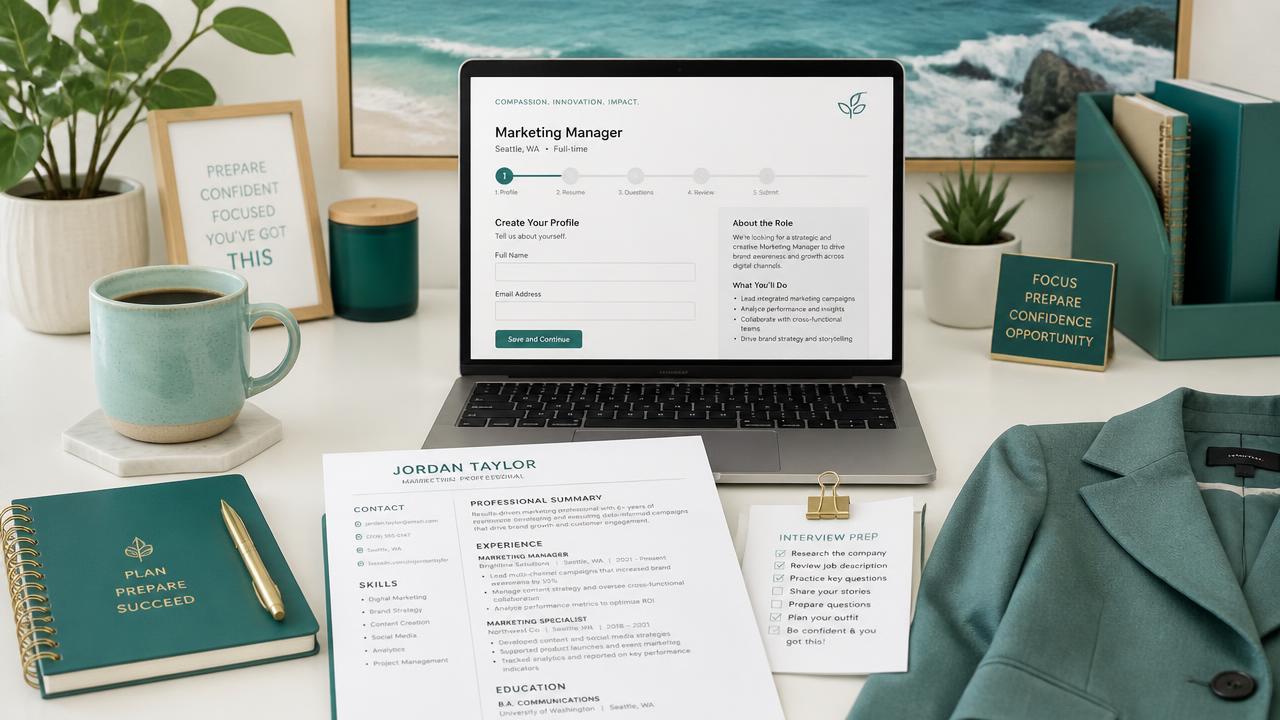
Duties describe a job. Results describe you.
Most résumés list responsibilities that any person in that role would have had. That tells a recruiter what the job was, not how well you did it. Replace every duty line with an outcome: what changed, by how much, and over what period. Numbers are the cheapest credibility you can buy.
Keep it to two pages, put the last five years first, and lead each role with a one-line summary of scope — team size, budget, client volume, or units produced.
Match the language of the advertisement
Applicant tracking systems and busy humans both scan for the terms in the job description. If the advertisement says 'compliance reporting' and your résumé says 'regulatory paperwork', you look like a weaker match than you are. Mirror the terminology exactly where it is honest to do so.
List licences, tickets and clearances near the top. In trades, healthcare and transport these are often screened before anything else on the page.

The cover note still matters
Three short paragraphs: why this employer specifically, the single most relevant thing you have done, and what you want to do next. Address it to a person if you can find one. Applications sent with a specific, short, well-aimed note convert far better than generic ones sent in volume.